Fentanyl Decontamination
Rooms, vehicles and exposed surfaces receive decontamination following fentanyl exposure.
See fentanyl decontaminationGet meth residue testing, decontamination, material removal and clearance steps for a home, rental, business or vehicle in Sherwood Forest. Keep people out of affected areas until the property has been assessed.
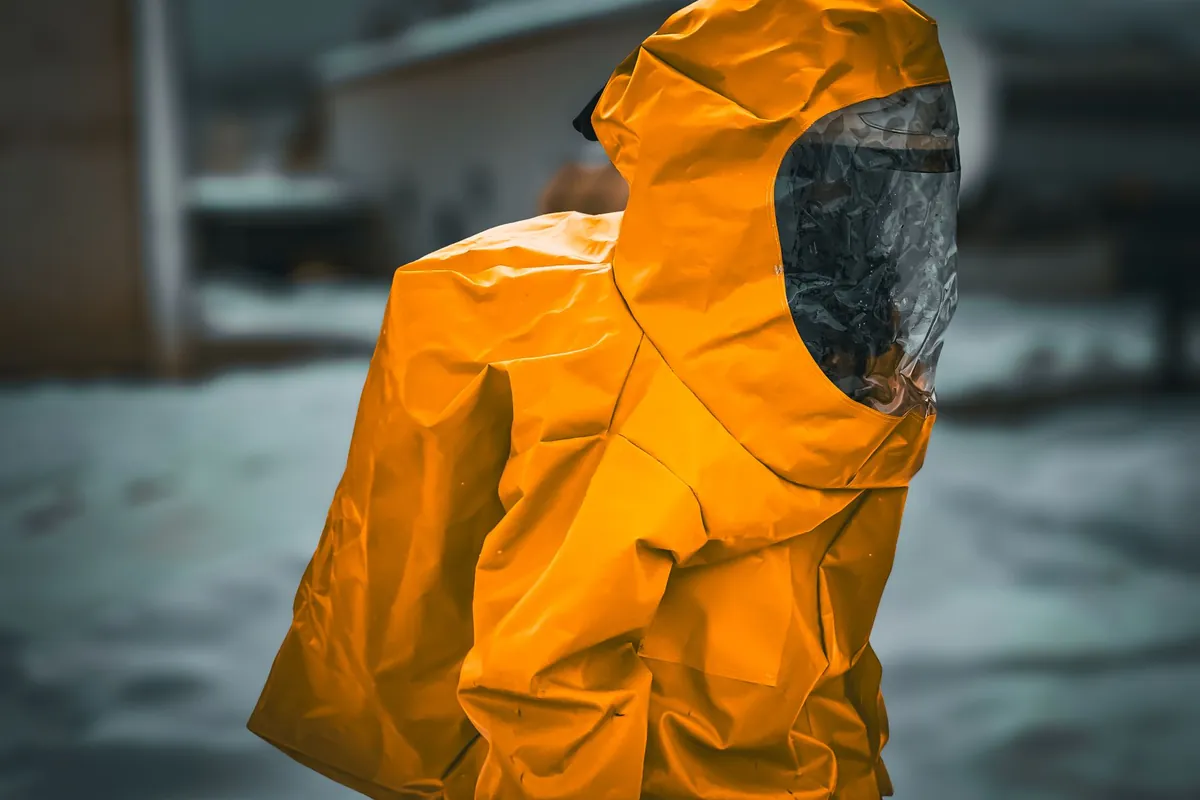
Meth lab cleanup is the testing, removal and cleaning needed when methamphetamine residue or drug-production chemicals have contaminated a home, rental, business or vehicle.
Residue may remain even though a property appears clean. Walls, appliances, ceilings, belongings, floors and cabinets can collect meth smoke. Sites used for production may hold fuels, solvents, acids, unknown mixtures and salts as well. Because these materials are hazardous, no one should begin normal cleaning or relocate containers before the site is carefully assessed.
Biohazard remediation needs to reflect both the property's testing results and the rules at its location. The affected zone is isolated by cleanup technicians using protective equipment. Uncleanable material comes out, while surfaces left in place are washed and the air system receives attention as needed. Post-remediation sampling shows if the applicable clearance level has been met in the tested areas.
A cleaning service should keep photos, scope notes, disposal documents and test reports together, so you have a clear record and can move forward after clearance.
Work zones and clean paths limit the movement of dust, tools and contaminated materials through the rest of your property.
Evaluating each possession's material and state helps you understand which items can undergo cleaning and which could require disposal.
A written plan issued before remediation starts should list removal decisions, the testing basis, clearance steps, affected areas and cleaning methods.
Meth decontamination cleaning services are needed when testing or reliable property history points to residue from use or production. Every situation starts with the property history and testing results. Common situations include:
Repeated smoking deposited unseen contamination across ceilings, floors, walls, cabinetry and belongings.
Residue may be present on seats, carpet, trim and ventilation surfaces inside a car, truck or recreational vehicle.
Contractors uncover suspicious containers, chemical staining or a past notice and stop work before dust spreads to clean areas.
Suspected meth use requires a controlled evaluation of the room or unit, including surrounding areas when supported by the evidence.
Start by limiting exposure and stopping residue from spreading. Before a professional cleanup starts, take the following steps:
Call (888) 440-9227PushLeads publishes a broad meth lab cleanup range of $5,000 to $120,000 and identifies the typical average as $15,000 to $20,000. Chemical production throughout an entire property creates a different scope than repeated smoking limited to one area, which explains the wide span. The final scope also changes with testing, air-system work, removal of materials and local clearance requirements.
The figures shown are national ranges from published cost guides and are not based on an on-site visit. An on-site assessment determines your property's price, which is explained to you before the cleanup starts.
Ask about cost: (888) 440-9227Coverage for meth contamination depends on both the cause and insurance policy, which may exclude pollution, vacancy, criminal acts or contamination. Report what was found and ask about available insurance assistance. Before approving work that is not an emergency, request the coverage decision in written form.
After law enforcement preserves evidence and releases the site, the property owner typically needs to set up environmental assessment and remediation.
Keep the police release, laboratory results, photographs, the remediation scope, disposal records, invoices and clearance report together.
Explain to the insurance company how you found the contamination. Ask the insurer if benefits apply to tests, decontamination, material removal and loss of use.
Property owners will usually arrange assessment and decontamination at a rental. You must address property safety separately from trying to collect expenses from a tenant.
A meth lab cleaning process is completed in planned stages. At each point, the work should reflect the test plan, property assessment and clearance rules for that location.
Ask how cleanup technicians will assess the property history, police release, visible hazards, room layout, ventilation and possible routes of contamination before work starts.
Surface samples help identify affected areas and establish a baseline. Choose collection methods and test locations according to the protocol that applies locally.
The scope document covers final clearance procedures along with plans for contents, surface cleaning, material removal and containment.
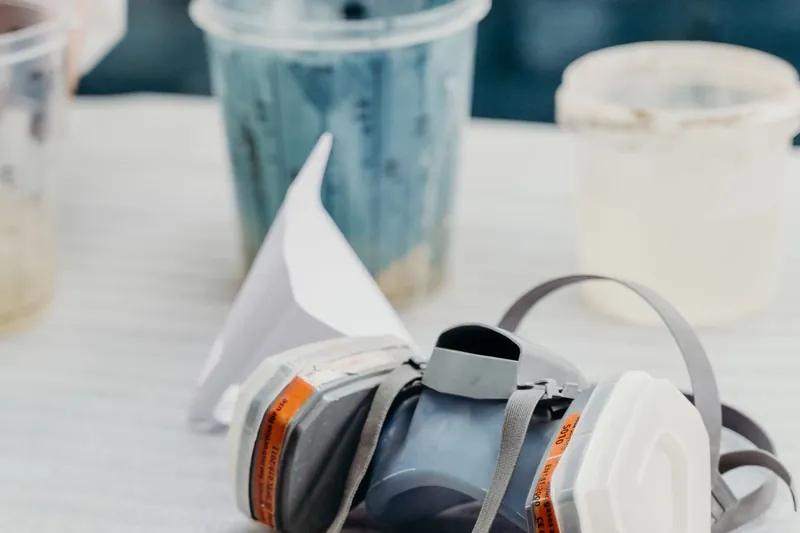
The work area is separated from clean rooms. Cleanup technicians use protective gear appropriate for chemical hazards, airborne particles and contamination present on site.
Items that cannot meet the necessary standard after cleaning, such as carpet, underlay, insulation, upholstered furnishings and harmed building materials, may be taken out for waste disposal.
The surfaces left in place, including fixtures, cabinets, flooring, walls and ceilings, receive appropriate cleaning in a planned order.
Movable contents and the HVAC system receive separate evaluations. Items are cleaned, isolated or discarded according to condition and test findings.
Once cleanup ends and sampling can begin, clearance results show if more remediation is required before anyone occupies the space.
Call any hour. A meth lab cleanup specialist answers, explains the steps and agrees a start time with you.
Even if you notice no strong odor, contaminated dust, chemicals remaining after production and direct contact with skin can make a former meth property a serious health risk.
Pets and children frequently contact objects and floors. Excluding them from the affected area limits contact until testing and remediation are complete.
Unidentified containers and substances may be reactive, capable of catching fire or corrosive. Avoid opening or smelling them, and never combine or discard them in household waste.
Contamination may collect on flooring, counters, toys, walls and other items people touch often. A normal-looking surface may not meet the required level for clearance.
Can you clean it yourself? Suspected meth contamination requires more caution than a small domestic spill. Household cleaners cannot determine the reach of contamination or confirm that surfaces satisfy the area's clearance threshold. Testing and a meth-specific remediation plan are the safer starting points.
Meth lab cleanup usually spans several workdays in a limited space but may extend across several weeks at a large production site. More than room count, the timeline depends on laboratory turnaround, removal of material, repeated cleaning and sampling for clearance.
| Scene | Typical time on site |
|---|---|
| Limited residue confined to a small space | Often multiple working days and the laboratory turnaround period |
| Several rooms or HVAC involvement | Often one to several weeks |
| A past meth production property with chemical harm | May extend across several weeks and require another round of clearance |
Smell does not serve as a dependable meth test. Little or no odor may be present despite residue on surfaces. If a sharp chemical smell occurs, treat it as a reason to leave. Do not enter for an investigation or cover the odor with fragrance.
Odor and air quality treatment starts by controlling the contamination source. Before cleaning the air can help, the work must address porous materials with contamination, chemical products from production and dust that has settled. Connected rooms, HVAC equipment, filters and ducts may all be assessed. Required samples should determine clearance, not the presence or absence of a clean smell.
Clearance standards and rules vary across state and local jurisdictions. Before starting remediation, check the applicable standard with the relevant health, building or environmental authority.
Sampling plans, laboratory methods and clearance reports may need to follow a local protocol. Save all records because a buyer, tenant, owner or official might need to see them.
Household waste is not automatically appropriate for contaminated rubble and chemicals of unknown origin. Local regulations and site findings guide both disposal and waste classification.
Sharps and other potentially infectious items discovered alongside drug materials require separate treatment. Indiana treats soaked materials from a biohazard scene as infectious waste. Indiana Department of Health rules control containment, labeling and transport, and IDEM regulates offsite management, so it cannot go in household trash.
The full meth lab cleanup guide covers what is cleaned or removed, odor and air quality work, and the rules that apply in your state.
Read the full meth lab cleanup guide
Local housing, population and access details can shape containment, access and cleanup planning.
At roughly 3.1 miles away, Ascension St Vincent Hospital is the closest listed hospital for urgent care after a cut, puncture, or exposure.
With Driftwood Hills, Nora, and college-crest close by, accurate street and unit details help avoid confusion during a sensitive response.
As an Indianapolis neighborhood, Sherwood Forest may include several building styles, so cleanup planning should start with the exact property type.
Your phone conversation can include questions about service in nearby ZIP codes and communities.
Rooms, vehicles and exposed surfaces receive decontamination following fentanyl exposure.
See fentanyl decontamination
Needles, drug residue and pipes are removed from properties and rental units.
See drug paraphernalia cleanup
Mold, chemical residue and damage from indoor growing are removed during grow house cleanup.
See marijuana grow house cleanup
Hazmat cleanup uses the appropriate protective equipment for hazardous materials.
See hazmat cleanup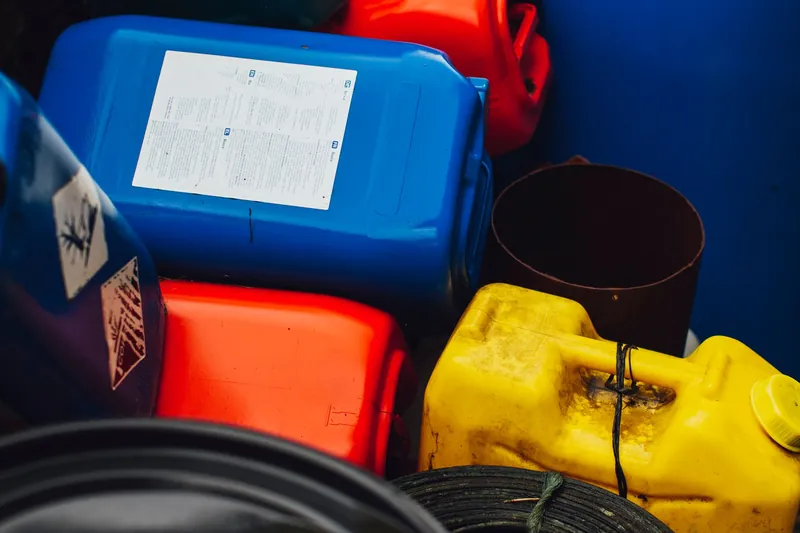
Toxic and chemical waste cleanup includes safe disposal.
See chemical and toxic waste cleanup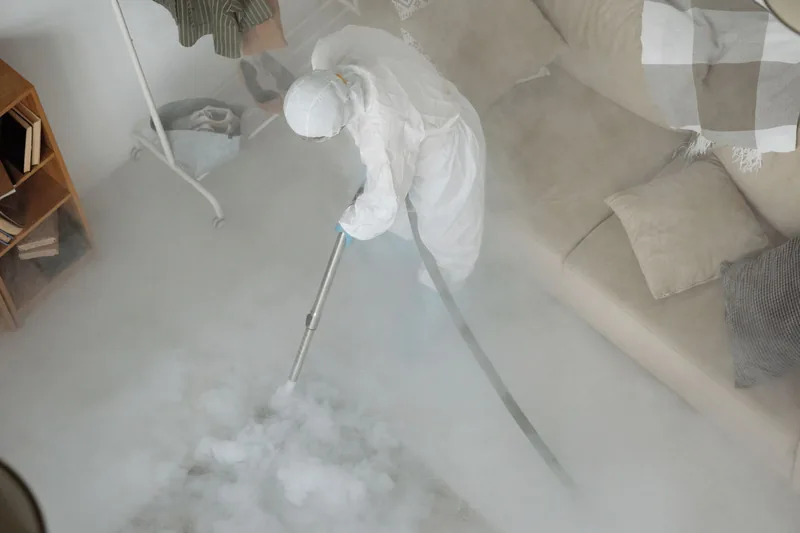
Full decontamination of rooms, surfaces and air after infectious or hazardous exposure.
See biohazard decontamination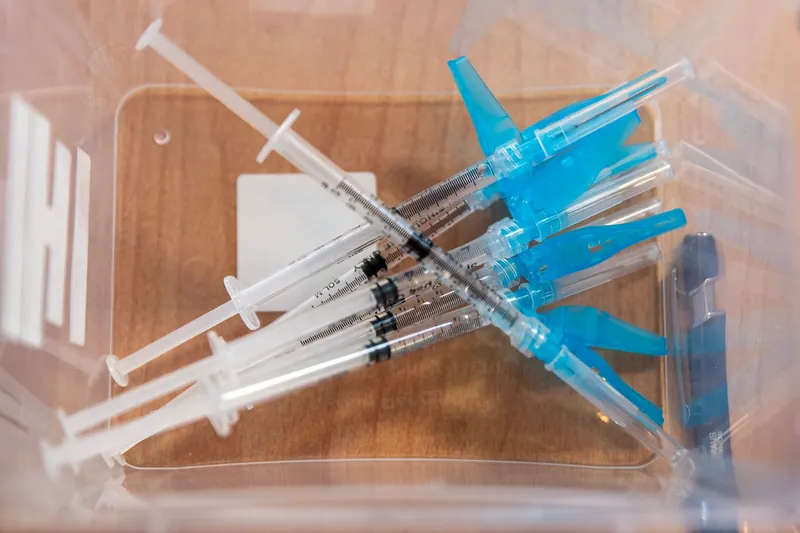
Cleanup removes sharps and needles from parks, rental sites, yards and encampments.
See needle and sharps cleanup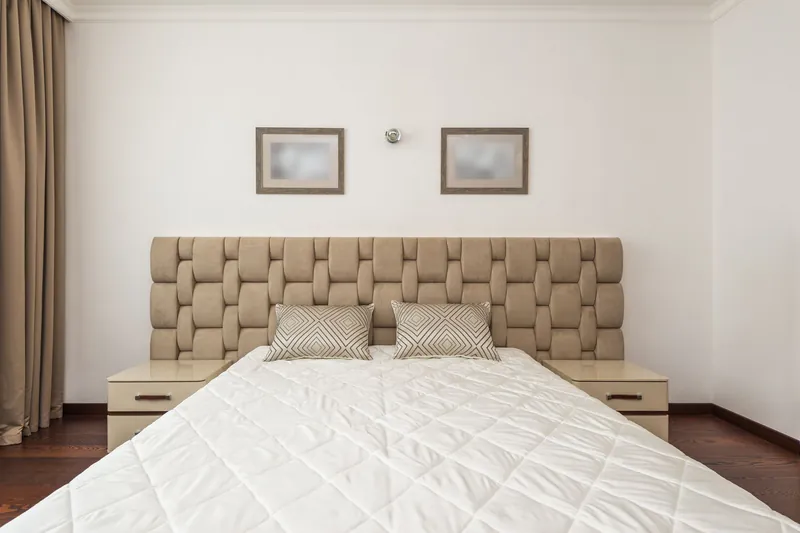
Hotels, rental properties and Airbnb units receive biohazard cleanup.
See hotel, airbnb and rental biohazard cleanupYour insurance terms, how residue developed and exclusions for pollution, criminal activity, contamination or an empty property determine coverage. Contact the insurance company with details of the discovery and ask about coverage for clearance sampling, temporary housing, removed materials, testing and remediation.
A DIY attempt can distribute contaminated particles while making the finished work difficult to document. Household products do not measure residue or confirm clearance. Start with professional sampling and the local cleanup standard. The resulting documented cleanup plan can specify surfaces suitable for treatment and materials requiring removal.
The broad range from PushLeads runs from $5,000 to $120,000 and its typical average spans $15,000 to $20,000. Cost depends on the property's size, smoking versus production, HVAC contamination, testing, material removal and required rounds of cleaning or clearance.
A clean appearance or normal odor does not establish that the property is ready. Reoccupation should follow the rule that applies locally and the written recommendation of the appropriate environmental or public authority. Testing after remediation supplies measurable proof of whether additional cleanup remains necessary.
Testing is worth considering when police identify a former lab, a reliable property record shows drug production, or credible evidence points to repeated meth use. Chemical staining, unusual containers and strong odors are warning signs, but appearance and smell cannot confirm that a property is clear.
Drug-making chemicals can sometimes create a harsh smell like solvent, although scent by itself cannot establish residue or clearance. Residue may exist in a building even when you detect no odor. Get out if you notice strong chemical odor, do not touch any vessels and depend on sampling plus applicable requirements.
Crews carry out respectful, discreet meth lab cleanup, arrive in unmarked vehicles and take calls 24 hours a day.